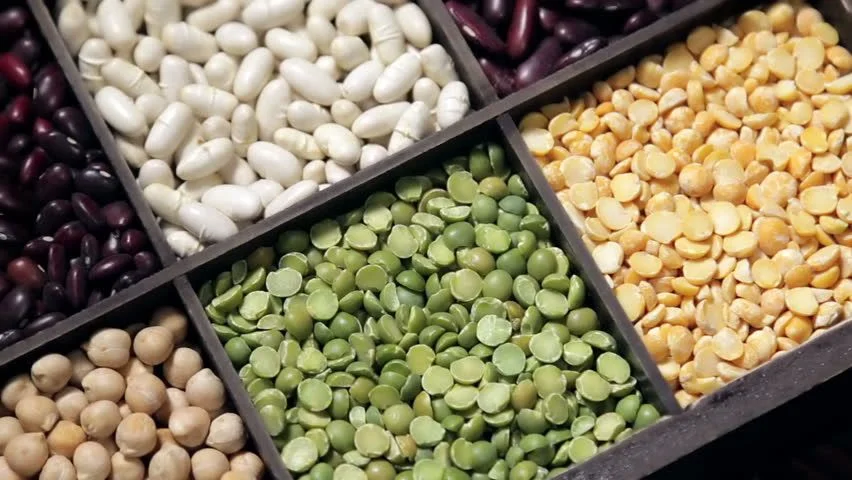
Are you looking for the 12 Survival Seeds to Stockpile Before the Growing Season?
Article Summary
Survival seeds to stockpile are the foundation of long-term food security. For preppers, seeds represent more than gardening—they are a renewable source of calories, nutrition, and independence. Unlike canned goods or freeze-dried meals, seeds regenerate year after year, making them one of the most cost-effective and resilient investments you can make before the growing season.
Always choose heirloom seeds. Unlike hybrids, heirloom varieties produce viable seeds that can be saved and replanted, ensuring true seed sovereignty and long-term resilience. This simple choice transforms your garden from a one-season solution into a perpetual food system.
This article highlights 12 essential survival seeds every prepper should prioritize. These varieties were chosen for their caloric density, nutritional balance, ease of cultivation, and seed-saving reliability. From staple grains like corn and wheat to protein-rich legumes such as beans and lentils, each seed type contributes to a diversified food system. Root crops like carrots and potatoes provide storage stability, while leafy greens ensure micronutrient coverage.
The focus here is practical: disaster-ready and self-reliant preppers need seeds that thrive in varied climates, resist pests, and can be harvested with minimal tools. Stockpiling these seeds before the growing season ensures you are not dependent on fragile supply chains or overpriced commercial kits.
As a systems approach, seed sovereignty is about redundancy and resilience. By maintaining a seed bank, you create a closed-loop food system that can sustain your household through emergencies and beyond. The following outline breaks down the 12 survival seeds, explaining why each is indispensable and how to integrate them into your prepping strategy.
1. Corn
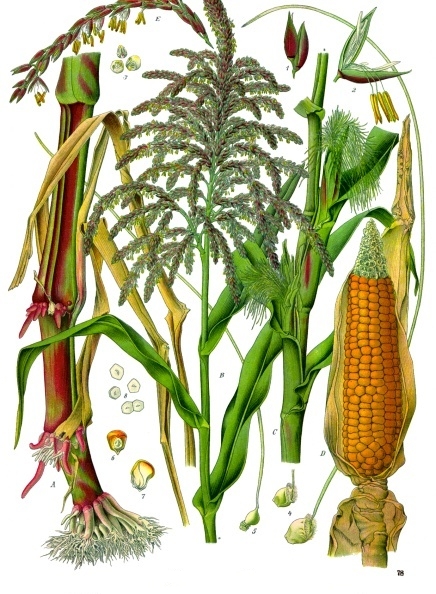
Corn is one of the most indispensable survival seeds to stockpile because corn delivers high caloric yield, versatility in use, and adaptability across climates. As a staple grain, corn provides the backbone of a prepper’s food system, offering carbohydrates for energy, bulk for meals, and even feed for small livestock. Its ability to grow in large quantities with relatively simple tools makes it a cornerstone of caloric production.
From a systems perspective, corn is a “calorie amplifier.” A single acre can produce thousands of pounds of food, which can be consumed fresh, dried, or ground into meal. Cornmeal becomes the foundation for bread, tortillas, and porridge—foods that sustain communities during prolonged emergencies. The stalks and husks also serve secondary purposes: animal fodder, compost material, or even fuel when dried. This multi-use nature makes corn more than just a crop; it’s a utility.
Always choose heirloom corn varieties. Unlike hybrids, heirloom corn produces viable seeds that can be saved and replanted year after year. This ensures true seed sovereignty and prevents dependency on fragile supply chains. Varieties such as dent corn, flint corn, and sweet corn each offer unique advantages: dent corn for flour, flint corn for long storage, and sweet corn for immediate consumption. By diversifying your stockpile, you create redundancy and resilience in your food system.
Corn also integrates well into community resilience. It can be grown in rows that double as windbreaks or privacy screens, and its tall stalks provide shade for companion crops like beans and squash. This synergy reflects the “Three Sisters” planting method, where corn acts as the structural support for climbing beans while squash covers the ground to suppress weeds. Such intercropping maximizes yield per square foot and stabilizes soil health.
In practice, corn is forgiving. Even novice gardeners can achieve reliable harvests with minimal inputs. During one season of regional supply chain disruption, I relied heavily on heirloom dent corn. Stored in sealed containers, it provided months of staple food and could be replanted the following year. That experience reinforced the principle that corn is not just a crop—it’s a survival system.
For disaster-ready and self-reliant preppers, corn is a non-negotiable seed to stockpile. It delivers calories, versatility, and regeneration, ensuring that your food security is not a one-season solution but a sustainable cycle.
2. Wheat
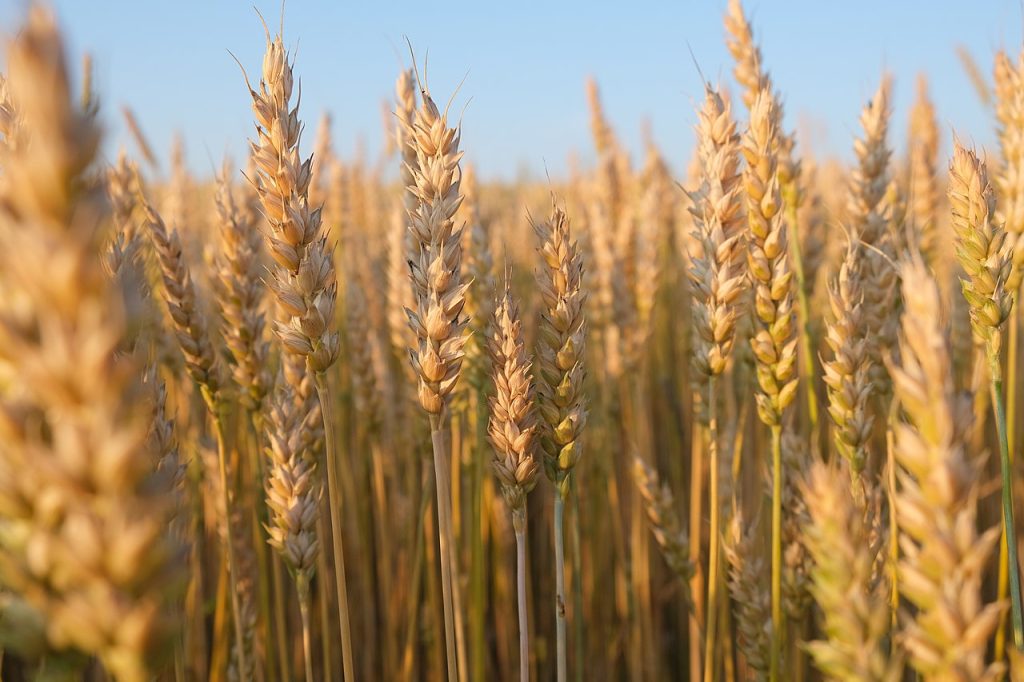
Wheat is one of the most critical survival seeds to stockpile because it provides the foundation for bread, flour, and countless staple foods. As a grain, wheat delivers dense calories, long storage life, and versatility in preparation. For preppers, it represents not just nutrition but cultural continuity—bread has been the cornerstone of human diets for thousands of years, and in a crisis, it remains one of the most reliable ways to sustain a household.
From a systems perspective, wheat is a “storage powerhouse.” Properly dried and sealed, wheat berries can last for decades, making them ideal for long-term stockpiles. Unlike perishable foods, wheat can be ground into flour as needed, ensuring freshness and reducing waste. This flexibility allows preppers to maintain a stable caloric reserve without relying on fragile supply chains.
Always choose heirloom wheat varieties. Hybrid strains may offer higher yields in industrial agriculture, but they often lack the seed-saving reliability that preppers require. Heirloom wheat ensures that each harvest produces viable seeds for replanting, creating a regenerative cycle. Varieties such as hard red winter wheat, soft white wheat, and durum wheat each serve distinct purposes: bread baking, pastry flour, and pasta production. Stockpiling multiple types adds redundancy and expands your food options.
Wheat also integrates well into community resilience. It can be grown in small plots or larger fields, and its straw byproduct serves multiple functions: animal bedding, compost material, or even insulation. This multi-use nature makes wheat more than just a food crop—it becomes part of a holistic survival system.
In practice, wheat requires some planning. It thrives in temperate climates and benefits from crop rotation to maintain soil health. However, even small-scale preppers can achieve meaningful yields. During one season of supply chain disruption, I relied heavily on heirloom hard red wheat. Ground into flour with a manual mill, it provided bread and porridge for months, while the saved seeds ensured the next planting cycle. That experience reinforced wheat’s role as a cornerstone of food sovereignty.
For disaster-ready and self-reliant preppers, wheat is a non-negotiable seed to stockpile. It delivers calories, storage stability, and regeneration, ensuring that your food system is not just reactive but sustainable across generations.
3. Beans
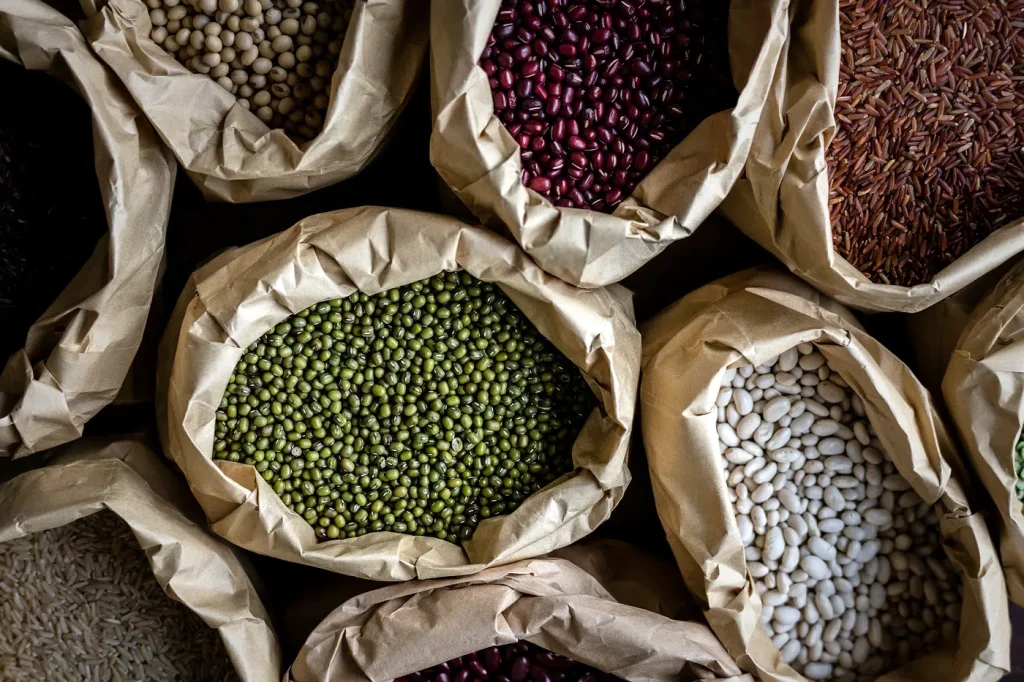
Beans are one of the most versatile and essential survival seeds to stockpile. They provide a dense source of protein, fiber, and complex carbohydrates, making them a cornerstone of any prepper’s food system. In times of crisis, protein is often the hardest nutrient to secure, and beans solve that problem with reliability and affordability.
From a systems perspective, beans are a “nutritional stabilizer.” They balance the carbohydrate-heavy staples like corn and wheat by supplying amino acids necessary for muscle repair and overall health. When paired with grains, beans form a complete protein, ensuring that even without meat, your diet remains nutritionally complete. This makes them indispensable for disaster-ready and self-reliant preppers who must plan for long-term sustainability.
Always choose heirloom bean varieties. Unlike hybrids, heirloom beans produce viable seeds that can be saved and replanted year after year. This ensures seed sovereignty and allows you to maintain a renewable protein source. Varieties such as kidney beans, black beans, pinto beans, and navy beans each offer unique flavors and uses. Stockpiling multiple types adds redundancy and dietary variety, which is critical for morale during prolonged emergencies.
Beans also contribute to soil health. As legumes, they fix nitrogen into the soil, enriching it for future crops. This regenerative property makes beans not only a food source but also a soil-building tool. Integrating beans into crop rotation improves yields of other survival staples like corn and wheat, creating a closed-loop agricultural system.
In practice, beans are forgiving and adaptable. They can be grown in small plots, containers, or intercropped with corn in the traditional “Three Sisters” method. During one season of supply chain disruption, I relied heavily on heirloom black beans. Stored dry in sealed containers, they provided months of protein-rich meals, while the saved seeds ensured the next planting cycle. That experience reinforced beans as both a food and a system of resilience.
For disaster-ready and self-reliant preppers, beans are a non-negotiable seed to stockpile. They deliver protein, soil regeneration, and seed-saving reliability, ensuring that your food system remains balanced, renewable, and resilient across seasons.
4. Rice
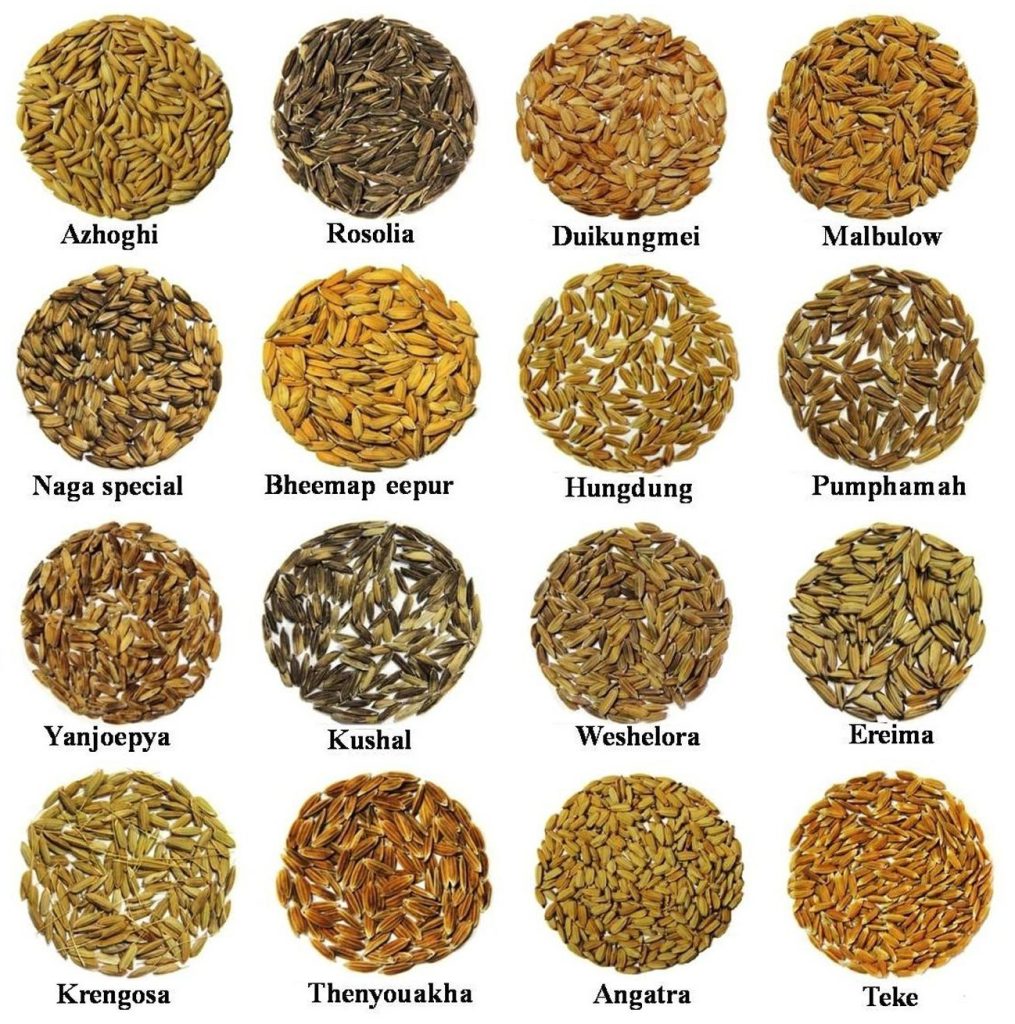
Rice is one of the most important survival seeds to stockpile because rice delivers dense calories, long storage life, and adaptability to diverse growing conditions. As a staple food for billions worldwide, rice represents security and stability in any prepper’s food system. Its ability to thrive in wet environments makes it a unique complement to other survival crops, ensuring dietary variety and resilience.
From a systems perspective, rice is a “calorie concentrator.” A relatively small plot can yield thousands of calories, and when properly dried, rice stores for years without losing nutritional value. This makes it ideal for disaster-ready preppers who need reliable, long-term food reserves. Rice can be consumed directly, ground into flour, or used in soups and stews, making it versatile across meal types.
Always choose heirloom rice varieties. Unlike hybrids, heirloom rice produces viable seeds that can be saved and replanted, ensuring seed sovereignty and regeneration. Varieties such as long-grain, short-grain, and aromatic rice each offer distinct advantages: long-grain for everyday meals, short-grain for sticky dishes, and aromatic for morale-boosting flavor. Stockpiling multiple types adds redundancy and dietary flexibility.
Rice also integrates well into community resilience. It can be grown in paddies, terraces, or even small-scale wet plots, depending on local conditions. In areas with limited water, upland rice varieties provide an alternative that doesn’t require flooding. This adaptability makes rice suitable for a wide range of climates and prepper strategies.
In practice, rice requires planning and water management, but the payoff is substantial. During one season of supply chain disruption, I relied heavily on heirloom long-grain rice stored in sealed containers. It provided months of staple meals, while the saved seeds ensured the next planting cycle. That experience reinforced rice’s role as both a food source and a system of resilience.
For disaster-ready and self-reliant preppers, rice is a non-negotiable seed to stockpile. It delivers calories, storage stability, and regeneration, ensuring that your food system remains sustainable across seasons and adaptable to changing conditions.
5. Potatoes
Potatoes are one of the most reliable and productive survival crops, making them a must‑stockpile seed for any prepper. Few plants deliver as many calories per square foot as potatoes, and their versatility in cooking ensures they remain a staple in both everyday meals and emergency rations. From boiling and baking to frying and fermenting, potatoes adapt to nearly any situation, providing comfort food as well as critical nutrition.
From a systems perspective, potatoes are a “yield maximizer.” A small plot can produce hundreds of pounds of food, and because potatoes grow underground, they are naturally protected from pests and weather extremes. This makes them particularly valuable in disaster scenarios where above‑ground crops may be vulnerable. Potatoes also store well in root cellars or cool, dark spaces, extending their usefulness long after harvest.
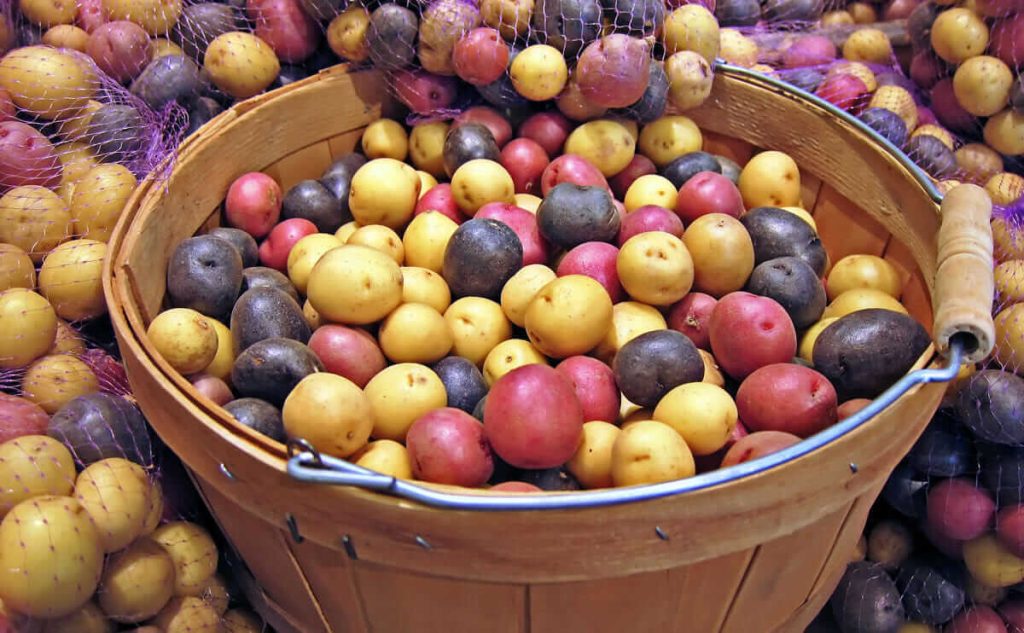
Always choose heirloom potato varieties. Unlike hybrids, heirloom potatoes produce viable tubers that can be replanted season after season. This ensures seed sovereignty and regeneration, allowing preppers to maintain a continuous food cycle. Varieties such as Russet, Yukon Gold, and Red Pontiac each offer unique advantages: Russet for baking, Yukon Gold for versatility, and Red Pontiac for storage and resilience. Stockpiling multiple types adds redundancy and dietary variety.
Potatoes also integrate well into community resilience. They can be grown in traditional rows, raised beds, or even containers, making them accessible to urban and rural preppers alike. Their adaptability means that even households with limited space can achieve meaningful yields. Additionally, potato plants enrich soil structure when rotated with legumes or grains, contributing to long‑term agricultural sustainability.
In practice, potatoes are forgiving and resilient. During one season of supply chain disruption, I relied heavily on heirloom Yukon Gold potatoes. Stored in a cool basement, they provided months of reliable meals, while the saved tubers ensured the next planting cycle. That experience reinforced potatoes as both a food source and a regenerative system.
For disaster‑ready and self‑reliant preppers, potatoes are a non‑negotiable seed to stockpile. They deliver calories, storage stability, and regeneration, ensuring that your food system remains productive, renewable, and resilient across seasons.
6. Carrots
Carrots are an essential survival seed to stockpile because they provide critical vitamins, long storage potential, and adaptability across climates. While many survival crops focus on calories, carrots deliver micronutrients—especially vitamin A—that are vital for eye health, immune function, and overall resilience. In a crisis, balanced nutrition is just as important as calories, and carrots fill that gap.
From a systems perspective, carrots are a “nutrient anchor.” They complement calorie-heavy staples like corn, wheat, and potatoes by supplying vitamins and minerals that prevent deficiencies. This makes them indispensable in a prepper’s food system, ensuring that survival diets remain sustainable over the long term. Carrots can be eaten fresh, cooked, juiced, or preserved, offering flexibility in meal planning.
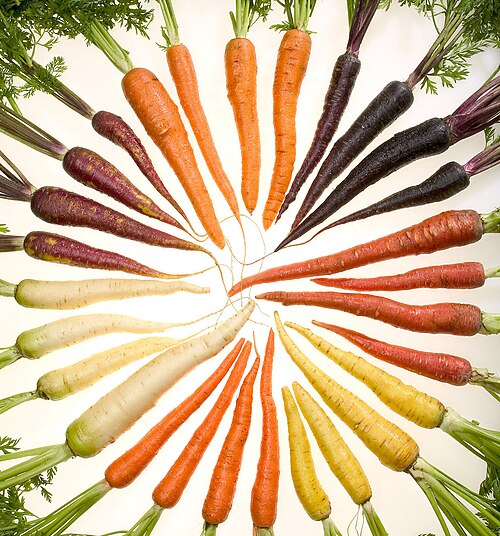
Always choose heirloom carrot varieties. Unlike hybrids, heirloom carrots produce viable seeds that can be saved and replanted year after year. This ensures seed sovereignty and regeneration, allowing preppers to maintain a renewable source of nutrition. Varieties such as Danvers, Nantes, and Imperator each offer unique advantages: Danvers for storage, Nantes for sweetness, and Imperator for yield. Stockpiling multiple types adds redundancy and dietary variety.
Carrots also excel in storage. When harvested properly and stored in sand or sawdust within a cool root cellar, they can last for months. This makes them a reliable winter food source, bridging the gap between growing seasons. Their compact size also allows for efficient use of space, making them suitable for both large gardens and small urban plots.
In practice, carrots are straightforward to grow. They thrive in loose, well-drained soil and require minimal maintenance once established. During one season of supply chain disruption, I relied heavily on heirloom Nantes carrots. Stored in buckets of sand, they provided fresh nutrition for months, while the saved seeds ensured the next planting cycle. That experience reinforced carrots as both a food source and a regenerative system.
For disaster-ready and self-reliant preppers, carrots are a non-negotiable seed to stockpile. They deliver vitamins, storage stability, and regeneration, ensuring that your food system remains balanced, renewable, and resilient across seasons.
7. Squash
Squash is one of the most versatile and resilient survival seeds to stockpile, offering both caloric density and long storage life. Unlike many crops that spoil quickly, squash varieties such as butternut, acorn, and Hubbard can last for months in a cool, dry environment without refrigeration. This makes squash a cornerstone of food security for disaster-ready and self-reliant preppers.
From a systems perspective, squash is a “storage stabilizer.” Its thick rind acts as natural packaging, protecting the nutrient-rich flesh inside. This allows preppers to harvest in bulk and store squash through the winter, bridging the gap between growing seasons. Squash provides carbohydrates, vitamins A and C, and fiber, ensuring balanced nutrition alongside staples like corn, wheat, and beans.
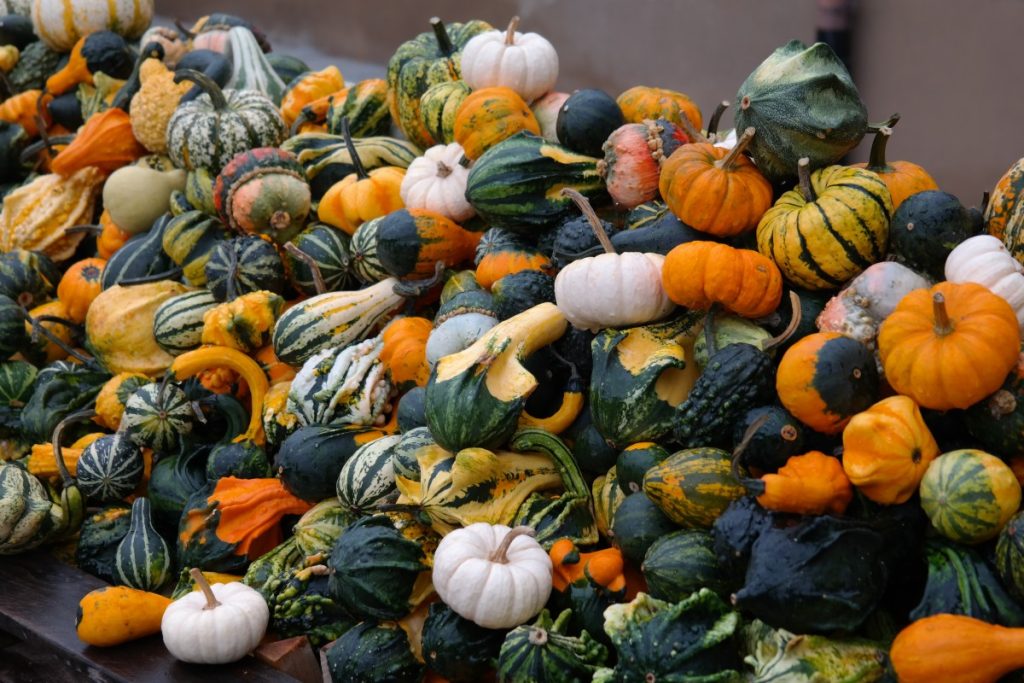
Always choose heirloom squash varieties. Unlike hybrids, heirloom squash produces viable seeds that can be saved and replanted year after year. This ensures seed sovereignty and regeneration, allowing preppers to maintain a renewable food cycle. Varieties such as butternut for storage, acorn for versatility, and zucchini for rapid yields each serve distinct roles. Stockpiling multiple types adds redundancy and dietary variety, which is critical for morale during prolonged emergencies.
Squash also integrates well into companion planting systems. In the traditional “Three Sisters” method, squash spreads across the ground, suppressing weeds and retaining soil moisture while corn and beans grow vertically. This synergy maximizes yield per square foot and stabilizes soil health, reflecting the systems logic of redundancy and efficiency.
In practice, squash is forgiving and productive. It thrives in diverse climates, requires minimal inputs, and produces large yields per plant. During one season of supply chain disruption, I relied heavily on heirloom butternut squash. Stored in a cool pantry, it provided reliable meals for months, while the saved seeds ensured the next planting cycle. That experience reinforced squash as both a food source and a regenerative system.
For disaster-ready and self-reliant preppers, squash is a non-negotiable seed to stockpile. It delivers calories, storage stability, and regeneration, ensuring that your food system remains productive, renewable, and resilient across seasons.
8. Tomatoes
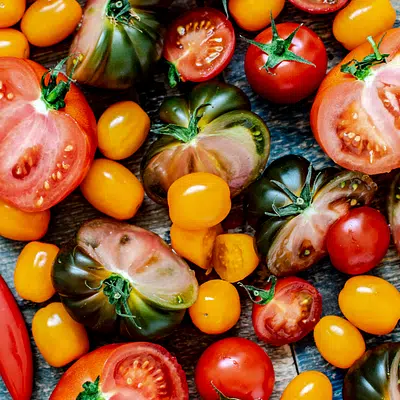
Tomatoes are one of the most versatile and morale‑boosting survival seeds to stockpile. While staples like corn, wheat, and potatoes provide calories, tomatoes deliver vitamins, flavor, and preservation options that elevate meals during long emergencies. Rich in vitamin C, antioxidants, and lycopene, tomatoes strengthen immunity and overall health—critical when medical resources may be limited.
From a systems perspective, tomatoes are a “nutrient multiplier.” They enhance the nutritional value of simple meals and can be transformed into sauces, soups, and preserves that extend shelf life. A single harvest can yield fresh eating, dehydrated slices, canned goods, and even fermented products like salsa. This flexibility makes tomatoes indispensable for disaster‑ready and self‑reliant preppers who must maximize every calorie and nutrient.
Always choose heirloom tomato varieties. Unlike hybrids, heirloom tomatoes produce viable seeds that can be saved and replanted year after year. This ensures seed sovereignty and regeneration, allowing preppers to maintain a renewable food cycle. Varieties such as Roma for sauces, Cherry for quick harvests, and Beefsteak for bulk yield each serve distinct roles. Stockpiling multiple types adds redundancy and dietary variety, which is critical for morale during prolonged emergencies.
Tomatoes also integrate well into companion planting systems. They thrive alongside basil, carrots, and onions, which deter pests and improve flavor. Their adaptability means they can be grown in raised beds, containers, or traditional plots, making them accessible to both urban and rural preppers. With proper staking or trellising, tomatoes maximize vertical space, increasing yield per square foot.
In practice, tomatoes are forgiving and prolific. During one season of supply chain disruption, I relied heavily on heirloom Roma tomatoes. Canned in jars, they provided sauces and stews for months, while the saved seeds ensured the next planting cycle. That experience reinforced tomatoes as both a food source and a regenerative system.
For disaster‑ready and self‑reliant preppers, tomatoes are a non‑negotiable seed to stockpile. They deliver vitamins, flavor, and regeneration, ensuring that your food system remains balanced, renewable, and resilient across seasons.
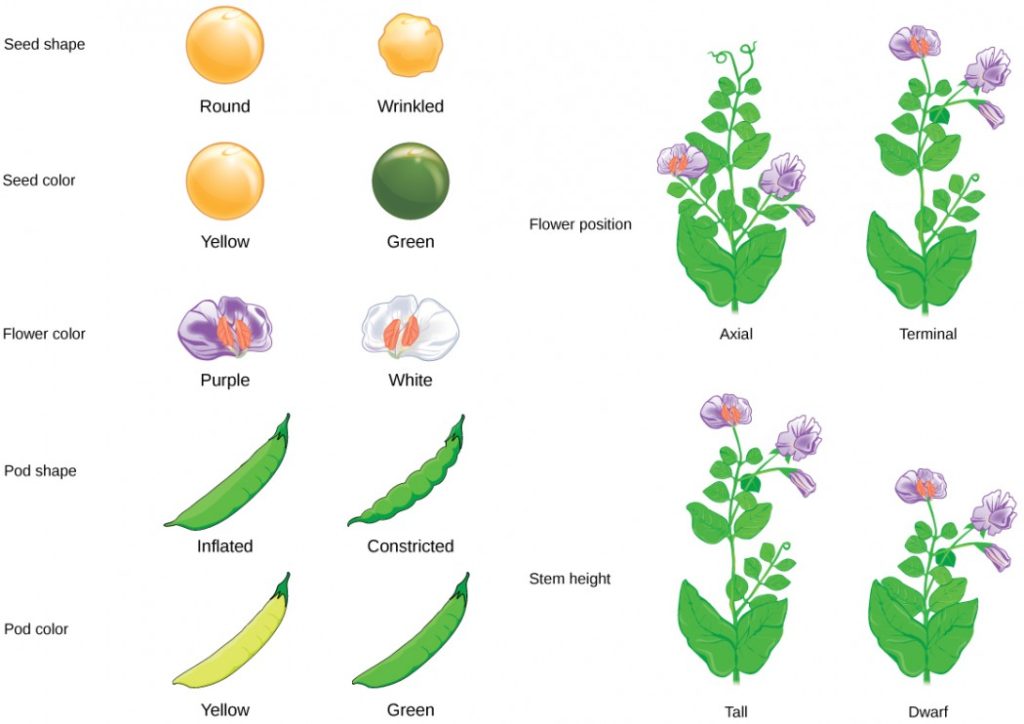
9. Peas
Peas are an essential survival seed to stockpile because they provide protein, improve soil health, and deliver quick harvests. While many survival crops focus on calories, peas balance the prepper food system by supplying amino acids, fiber, and micronutrients. Their ability to grow rapidly and thrive in cooler seasons makes them a reliable bridge crop between major harvests.
From a systems perspective, peas are a “soil enhancer.” As legumes, they fix nitrogen into the soil, enriching it for future crops like corn and wheat. This regenerative property makes peas not only a food source but also a soil-building tool, ensuring long-term sustainability. For disaster-ready and self-reliant preppers, peas serve dual roles: nutrition for the household and fertility for the land.
Always choose heirloom pea varieties. Unlike hybrids, heirloom peas produce viable seeds that can be saved and replanted year after year. This ensures seed sovereignty and regeneration, allowing preppers to maintain a renewable protein source. Varieties such as sugar snap peas, snow peas, and shelling peas each offer unique advantages: snap peas for fresh eating, snow peas for stir-fries, and shelling peas for storage. Stockpiling multiple types adds redundancy and dietary variety.
Peas also integrate well into companion planting systems. They climb trellises or corn stalks, maximizing vertical space and increasing yield per square foot. Their adaptability means they can be grown in raised beds, containers, or traditional plots, making them accessible to both urban and rural preppers. Because peas mature quickly, they provide food within weeks of planting—critical during emergencies when immediate nutrition is needed.
In practice, peas are forgiving and productive. During one season of supply chain disruption, I relied heavily on heirloom sugar snap peas. Harvested fresh, they provided quick meals, while dried shelling peas were stored for winter use. The saved seeds ensured the next planting cycle, reinforcing peas as both a food source and a regenerative system.
For disaster-ready and self-reliant preppers, peas are a non-negotiable seed to stockpile. They deliver protein, soil regeneration, and rapid yields, ensuring that your food system remains balanced, renewable, and resilient across seasons.
10. Spinach
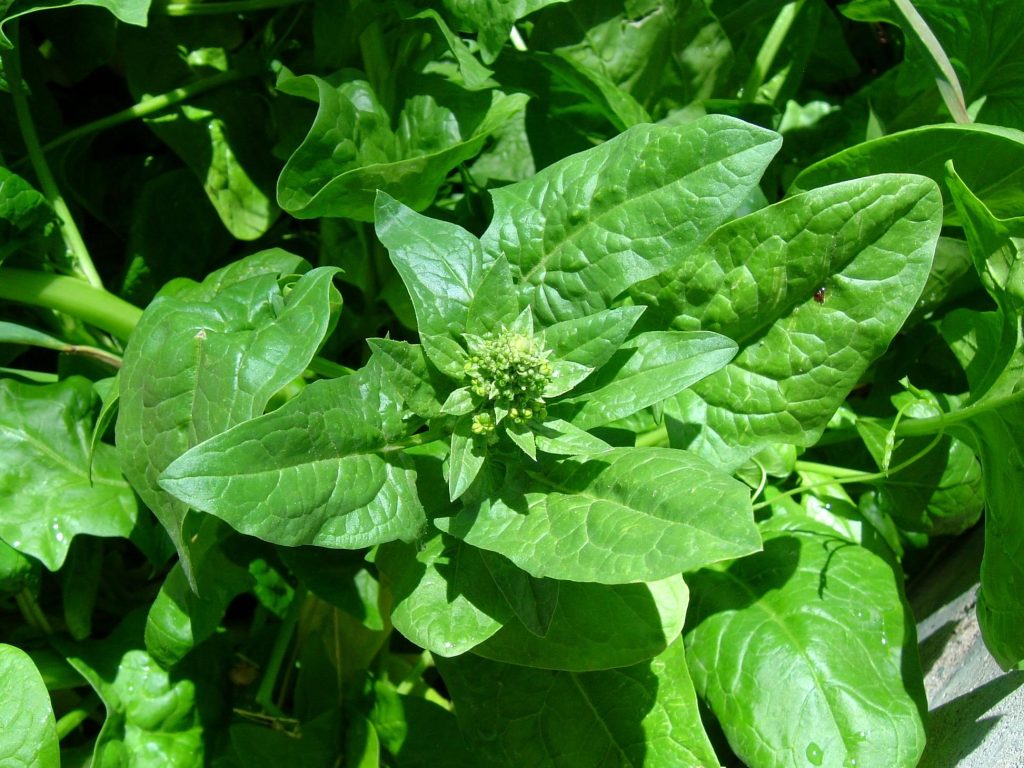
bolting, spinach
Spinach is one of the most valuable survival seeds to stockpile because it delivers rapid growth, dense micronutrients, and adaptability across climates. While staples like corn, wheat, and potatoes provide calories, spinach ensures your diet remains balanced by supplying iron, calcium, and vitamins A, C, and K. In a crisis, when medical resources may be scarce, nutrient-rich greens like spinach become critical for maintaining health and resilience.
From a systems perspective, spinach is a “micronutrient accelerator.” It grows quickly—often ready to harvest in just 30 days—making it an ideal crop for bridging food gaps during emergencies. Its fast turnaround allows preppers to cycle multiple harvests in a single season, ensuring a steady supply of fresh greens. Spinach can be eaten raw, cooked, or preserved by drying or freezing, offering flexibility in meal planning.
Always choose heirloom spinach varieties. Unlike hybrids, heirloom spinach produces viable seeds that can be saved and replanted year after year. This ensures seed sovereignty and regeneration, allowing preppers to maintain a renewable source of micronutrients. Varieties such as Bloomsdale for hardiness, Savoy for texture, and New Zealand spinach for heat tolerance each serve distinct roles. Stockpiling multiple types adds redundancy and dietary variety, which is critical for morale during prolonged emergencies.
Spinach also integrates well into companion planting systems. It thrives alongside crops like carrots and radishes, which share similar soil preferences. Its compact growth habit makes it suitable for raised beds, containers, or even window boxes, ensuring urban preppers can access fresh greens without large plots of land. Because spinach matures quickly, it provides food security in the early stages of a growing season, when other crops may still be developing.
In practice, spinach is forgiving and prolific. During one season of supply chain disruption, I relied heavily on heirloom Bloomsdale spinach. Harvested fresh, it provided daily nutrition, while dried leaves were stored for winter use. The saved seeds ensured the next planting cycle, reinforcing spinach as both a food source and a regenerative system.
For disaster-ready and self-reliant preppers, spinach is a non-negotiable seed to stockpile. It delivers micronutrients, rapid yields, and regeneration, ensuring that your food system remains balanced, renewable, and resilient across seasons.
11. Sunflowers
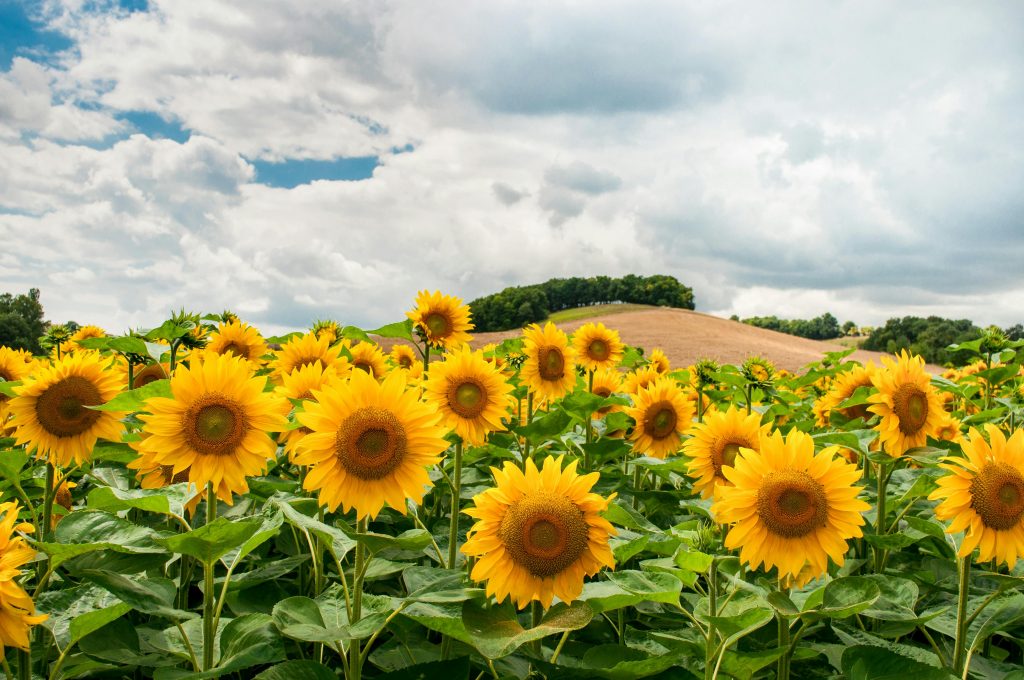
Sunflowers are one of the most multifunctional survival seeds to stockpile, offering food, oil, and morale‑boosting beauty. While many survival crops focus on calories or protein, sunflowers provide both nutrition and utility, making them a unique addition to any prepper’s seed bank. Their seeds are rich in healthy fats, protein, and essential minerals, while their oil can be pressed for cooking or even used as lamp fuel in emergencies.
From a systems perspective, sunflowers are a “dual‑purpose crop.” They deliver immediate food security through edible seeds and long‑term resilience through oil production. A single sunflower head can yield hundreds of seeds, and multiple plants can quickly scale into a renewable food source. The stalks and leaves also serve secondary purposes: animal fodder, compost material, or even structural supports in small gardens.
Always choose heirloom sunflower varieties. Unlike hybrids, heirloom sunflowers produce viable seeds that can be saved and replanted year after year. This ensures seed sovereignty and regeneration, allowing preppers to maintain a renewable source of fats and protein. Varieties such as Mammoth for bulk seed yield, Black Oil for pressing, and Dwarf for compact spaces each serve distinct roles. Stockpiling multiple types adds redundancy and flexibility, ensuring resilience across different growing conditions.
Sunflowers also integrate well into community resilience. Their tall stalks can act as natural windbreaks or privacy screens, while their bright blooms boost morale during stressful times. They attract pollinators, improving yields of other crops, and their deep roots help stabilize soil. This makes sunflowers not only a food source but also a system enhancer within the broader prepper garden.
In practice, sunflowers are forgiving and prolific. They thrive in diverse climates, require minimal inputs, and produce large yields per plant. During one season of supply chain disruption, I relied heavily on heirloom Black Oil sunflowers. The seeds provided protein‑rich snacks, while the pressed oil supported cooking needs. Saved seeds ensured the next planting cycle, reinforcing sunflowers as both a food source and a regenerative system.
For disaster‑ready and self‑reliant preppers, sunflowers are a non‑negotiable seed to stockpile. They deliver fats, protein, oil, and regeneration, ensuring that your food system remains balanced, renewable, and resilient across seasons.
12. Lentils
Lentils are one of the most compact yet powerful survival seeds to stockpile, offering protein, fiber, and essential micronutrients in a small package. Unlike bulkier crops, lentils require little space, grow quickly, and yield highly nutritious food that stores exceptionally well. For disaster‑ready and self‑reliant preppers, lentils represent efficiency: maximum nutrition with minimal inputs.
From a systems perspective, lentils are a “protein concentrator.” They deliver amino acids that complement carbohydrate‑heavy staples like rice and wheat, ensuring a balanced diet even without meat. Lentils also provide iron, folate, and magnesium, which are critical for energy, blood health, and overall resilience. Their versatility in cooking—soups, stews, curries, or sprouted for fresh greens—makes them a morale‑boosting crop as well as a survival staple.
Always choose heirloom lentil varieties. Unlike hybrids, heirloom lentils produce viable seeds that can be saved and replanted year after year. This ensures seed sovereignty and regeneration, allowing preppers to maintain a renewable protein source. Varieties such as red lentils for quick cooking, green lentils for storage, and black beluga lentils for nutrient density each serve distinct roles. Stockpiling multiple types adds redundancy and dietary variety, which is critical during prolonged emergencies.
Lentils also enrich soil health. As legumes, they fix nitrogen into the soil, improving fertility for future crops like corn and wheat. This regenerative property makes lentils not only a food source but also a soil‑building tool, ensuring long‑term sustainability. Their compact growth habit means they can be cultivated in small plots, raised beds, or containers, making them accessible to urban and rural preppers alike.
In practice, lentils are forgiving and efficient. During one season of supply chain disruption, I relied heavily on heirloom green lentils. Stored dry in sealed containers, they provided months of protein‑rich meals, while sprouted lentils offered fresh greens when other crops were unavailable. The saved seeds ensured the next planting cycle, reinforcing lentils as both a food source and a regenerative system.
For disaster‑ready and self‑reliant preppers, lentils are a non‑negotiable seed to stockpile. They deliver protein, micronutrients, soil regeneration, and seed‑saving reliability, ensuring that your food system remains balanced, renewable, and resilient across seasons.
Conclusion
Stockpiling survival seeds is more than a gardening strategy—it’s a blueprint for resilience. By choosing heirloom varieties, you ensure that each harvest regenerates into the next, creating a perpetual cycle of food security. The 12 seeds outlined—corn, wheat, beans, rice, potatoes, carrots, squash, tomatoes, peas, spinach, sunflowers, and lentils—cover the full spectrum of survival needs: calories, protein, micronutrients, fats, and soil regeneration.
Together, they form a balanced system that sustains households through short‑term disruptions and long‑term crises. Corn and wheat anchor caloric production, beans and lentils stabilize protein intake, root crops like potatoes and carrots provide storage reliability, while greens like spinach and peas deliver essential vitamins. Squash and sunflowers extend shelf life and utility, and tomatoes add flavor and morale.
For disaster‑ready and self‑reliant preppers, these seeds are not optional—they are non‑negotiable. Stockpiling them before the growing season ensures independence from fragile supply chains and empowers you to build a regenerative food system that can endure across generations.
In the end, survival isn’t just about calories—it’s about sovereignty. With heirloom seeds in hand, you hold the power to feed your family, enrich your soil, and preserve knowledge that sustains civilization itself.
Select the level of prepper you want more information about:
Owen is a systems engineer and the founder of LogicPrepper.com, a technical resource dedicated to infrastructure reliability and off-grid design. With a professional background including writing A-level specifications for the Aegis Weapons System, he specializes in translating complex engineering principles into actionable DIY blueprints for the preparedness community. When he isn’t stress-testing solar arrays or auditing water filtration topologies, he’s usually in his “Logic Lab” building redundant 3D-printed hardware solutions.