Being disaster-ready means preparing for short-term emergencies like hurricanes, blizzards, earthquakes, or power outages.
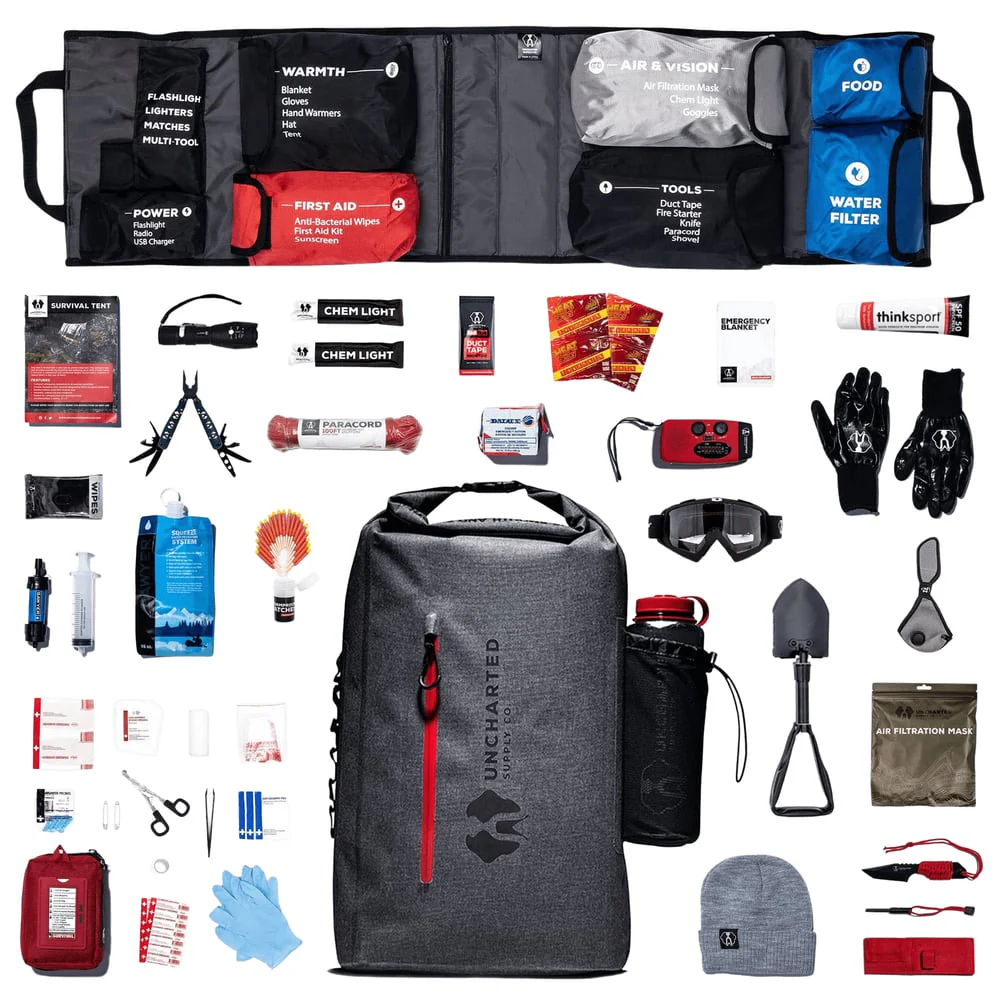
A disaster-ready prepper focuses on the basics: having a well-stocked “go bag” with essential survival gear such as flashlights, batteries, first aid kits, important documents, and personal hygiene items.
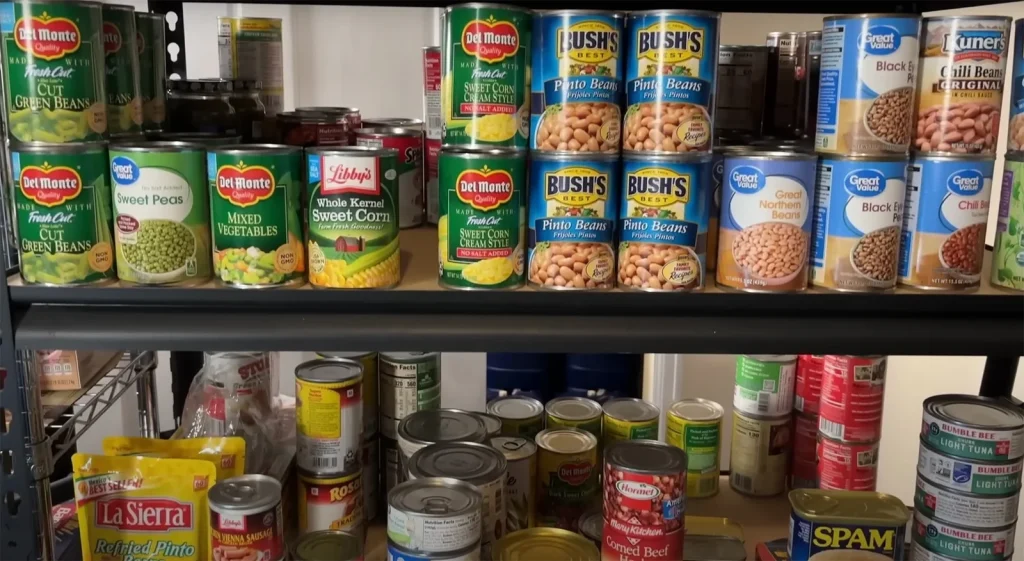
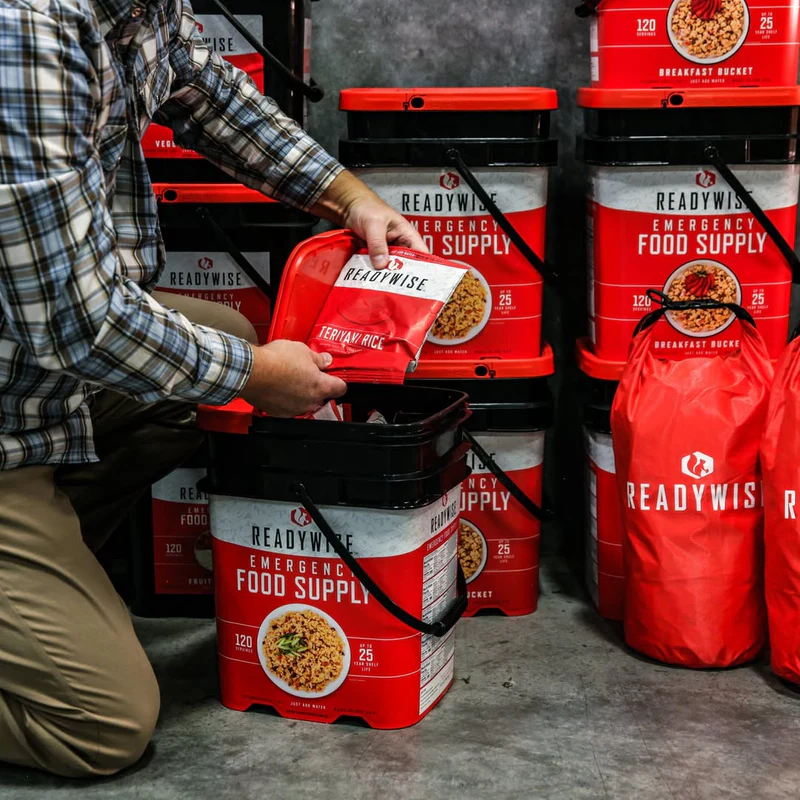
Food and water storage is critical — most experts recommend at least two weeks of non-perishable food and clean drinking water per person.
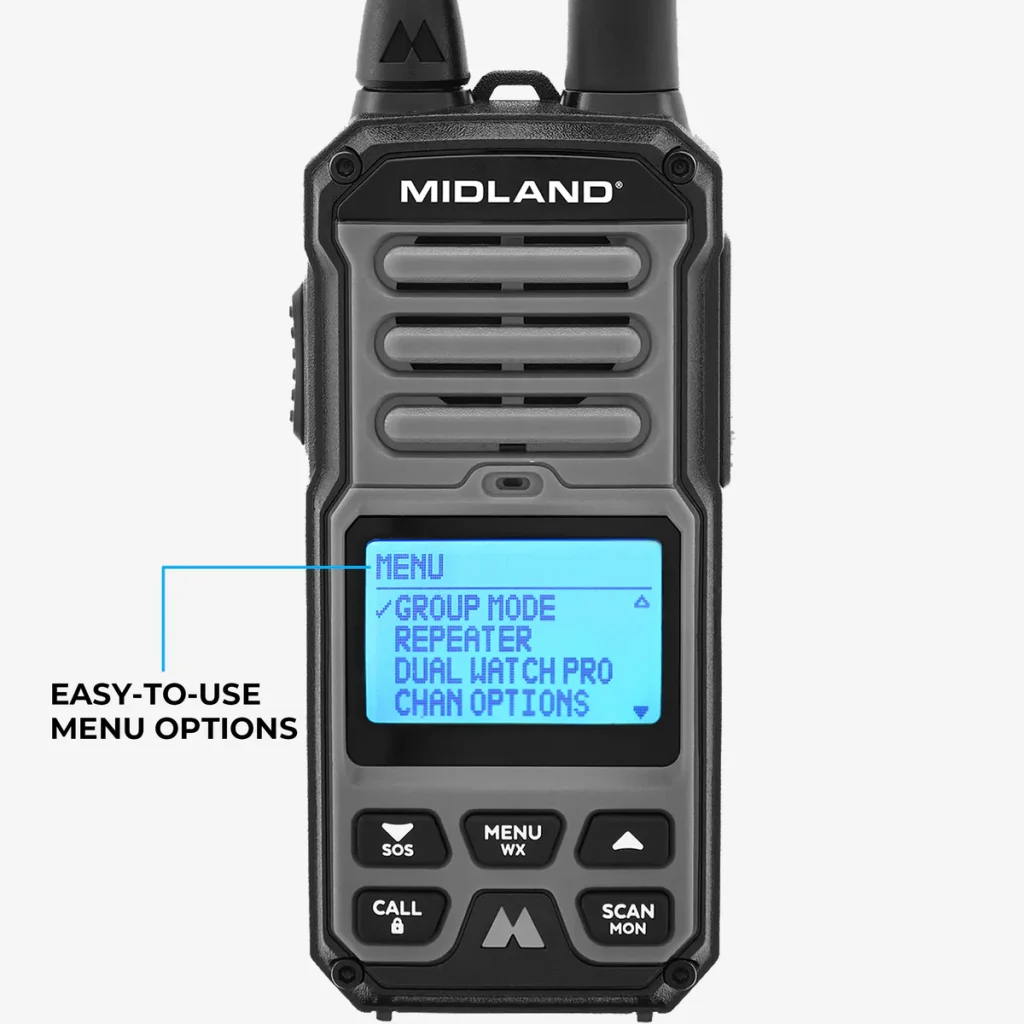
Disaster-ready preppers also plan for communication, keeping battery-powered radios or backup chargers for cell phones. This level of preparedness is about peace of mind: knowing you can survive comfortably until services are restored.
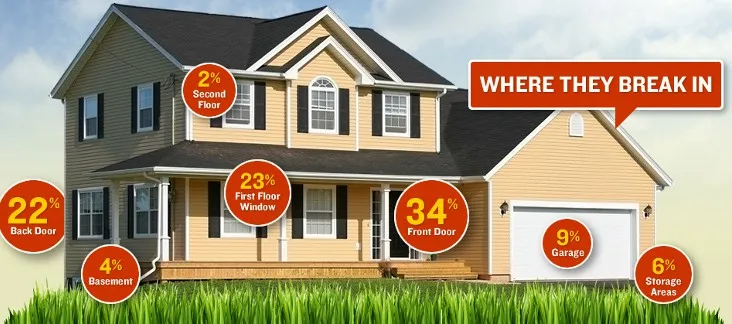
Discover five affordable strategies to strengthen your home perimeter and boost disaster-ready security.
🌪️ Disaster-Ready (Beginner Prepper) Categories
1. Go Bag / Bug‑Out Bag
Scope: Portable kit for immediate evacuation.
Contents: First aid, flashlights, batteries, multi‑tool, documents, cash, hygiene items.
Engineering analogy:Portable backup node — grab‑and‑go redundancy when the primary environment fails.
🧳 Go Bag / Bug‑Out Bag Overview
A go bag checklist is the cornerstone of any disaster recovery plan. In systems engineering terms, it functions as a portable backup node — a self‑contained kit designed to maintain uptime when the primary environment fails. For the disaster‑ready prepper, the bug‑out bag is not just a backpack; it’s a carefully architected subsystem that ensures continuity during a grid‑down event or sudden evacuation.
At its core, the bug‑out bag essentials include food, water, first aid, flashlights, batteries, a multi‑tool, hygiene supplies, and copies of critical documents. Each item represents a redundancy layer: food and water provide immediate sustenance, medical supplies handle error conditions, and communication tools like radios or backup chargers maintain the control plane. Cash and identification documents act as authentication tokens in disrupted environments.
Disaster ready preppers understand the design principle of portability plus resilience. A well‑built emergency kit should be lightweight enough to carry under stress, yet robust enough to sustain survival for 72 hours or more. Engineers often think in terms of modularity — each category of gear (hydration, nutrition, medical, communication, shelter) is a subsystem that can be swapped, upgraded, or scaled depending on risk models.
See the details about what should be in your go-bag (aka bug-out bag).
A reliable emergency food storage plan is one of the most critical subsystems in the disaster‑ready prepper architecture. Just as a system requires buffer memory to handle spikes in demand, households need a short‑term survival food cache to bridge outages in supply chains during hurricanes, blizzards, or other grid‑down events.
The foundation of a strong prepper food supply is redundancy and shelf stability. Canned goods, freeze‑dried meals, MREs (Meals Ready to Eat), and shelf‑stable staples like rice, beans, and pasta provide caloric resilience for at least two weeks. Each category of food represents a subsystem: canned goods for immediate consumption, freeze‑dried meals for lightweight portability, and bulk staples for scalable nutrition. From an engineering lens, this is a buffer storage system — designed to maintain throughput when external inputs fail.
Disaster ready preppers think it is equally important to have rotation and lifecycle management. Just as systems engineers monitor logs and refresh backups, preppers must track expiration dates and rotate stock to ensure integrity. Vacuum sealing, oxygen absorbers, and proper storage conditions extend the operational lifespan of supplies.
Ultimately, the emergency food supply is not about gourmet dining — it’s about designing a subsystem that guarantees caloric continuity, sustains morale, and buys time until normal services are restored or longer‑term solutions (gardening, livestock) can be activated.
See the details about what should be in your emergency food supplies.
Engineering analogy:Redundant input stream — ensuring critical fluid supply even if the main pipeline fails.
💧 Emergency Water Supply Overview
A robust emergency water storage plan is the most critical subsystem in the disaster‑ready prepper architecture. From a systems engineering perspective, water is the primary input stream — without it, all other subsystems fail. Just as a network requires a reliable data feed, humans require a continuous hydration pipeline. Designing redundancy for water ensures uptime during grid‑down events, hurricanes, or blizzards when municipal services may be disrupted.
The foundation of survival hydration is quantity and quality. Experts recommend at least one gallon per person per day for drinking and sanitation. This can be achieved through bottled water reserves, water purification tablets, portable filters, and rainwater collection systems. Each method represents a subsystem: bottled water as cached storage, purification tablets as error‑handling, and filtration devices as adaptive recovery. Together, they form a layered architecture that guarantees resilience.
Disaster ready preppers realize lifecycle management is equally important. Stored water must be rotated every six months to maintain integrity, much like refreshing system backups. Containers should be food‑grade, sealed, and protected from light and heat. Engineers think in terms of fault tolerance — multiple sources and purification methods ensure no single point of failure.
Ultimately, the emergency water supply is not optional; it is the backbone of disaster readiness. Without it, even the best go bag checklist or emergency food storage plan collapses. Water continuity is the keystone of survival architecture.
See the details about what should be in your emergency water supplies.
4. Bug‑Out Location / Shelter Plan
Scope: Safe fallback environment outside the primary residence.
Considerations: Distance, accessibility, supplies, communication with family.
Engineering analogy:Failover site — secondary data center that takes over when the primary goes offline.
🏕️ Bug‑Out Location / Shelter Plan Overview
A well‑designed bug‑out location plan is the ultimate failover strategy in the disaster‑ready prepper architecture. From a systems engineering perspective, it functions as a secondary data center — a fallback environment that ensures continuity when the primary residence becomes compromised during hurricanes, blizzards, earthquakes, or other grid‑down events.
Disaster ready preppers know the core principle is redundancy. Just as engineers design disaster recovery sites with geographic separation, preppers must identify a bug‑out shelter that is accessible, secure, and stocked with essential supplies. Distance matters: too close and it may be affected by the same disaster, too far and it becomes unreachable under stress. Accessibility via multiple routes ensures resilience against blocked roads or infrastructure failures.
A strong bug‑out location checklist includes food, water, medical supplies, communication tools, and backup power. Shelter integrity is critical — cabins, rural properties, or even agreements with family/friends can serve as nodes in the resilience network. Engineers think in terms of failover readiness: the site must be operational at a moment’s notice, with cached resources and clear communication protocols.
Ultimately, the bug‑out location is not just a place — it is a subsystem in the survival architecture. It represents foresight, redundancy, and the ability to maintain uptime when the home environment is no longer viable.
See the details about how best to choose your bug out location.
5. Emergency Communications
Scope: Maintain situational awareness and coordination.
Engineering analogy:Control plane continuity — keeping command and monitoring channels active during outages.
📡 Emergency Communications Overview
In the disaster‑ready prepper architecture, emergency communication systems are the control plane — the subsystem that keeps information flowing when the grid goes down. From a systems engineering perspective, communication is not optional; it is the backbone of coordination, situational awareness, and decision‑making during hurricanes, blizzards, earthquakes, or other grid‑down events.
Disaster ready preppers have a strong prepper communications plan which includes multiple layers of redundancy. Emergency radios (NOAA weather radios, HAM radios, or GMRS walkie‑talkies) provide access to official updates and local networks. Satellite messengers and backup cell phone chargers extend reach when terrestrial networks fail. Even simple signaling devices — whistles, flares, or mirrors — serve as low‑tech fallback channels. Each tool is a node in the communication architecture, ensuring no single point of failure.
Engineers think in terms of control plane continuity. Just as distributed systems require monitoring and logging to stay operational, preppers need reliable channels to maintain contact with family, neighbors, or community groups. Establishing protocols — who to call, when to check in, and what frequencies to monitor — is as important as the hardware itself.
Ultimately, emergency communications are about more than gear. They represent foresight, redundancy, and the ability to maintain command and control when the environment is chaotic. Without them, even the best go bag checklist or emergency food storage plan risks isolation and failure.
See the details about what should be in your emergency communications supplies.
6. Home Safety & Hardening
Scope: Protect shelter integrity during disasters.
Measures: Securing windows/doors, fire extinguishers, backup lighting, safe heating sources.
Engineering analogy:System hardening — reinforcing the perimeter to withstand external shocks.
🏠 Home Safety & Hardening Overview
In the disaster‑ready prepper architecture, home disaster safety is the subsystem that protects the integrity of your primary shelter. From a systems engineering perspective, this is system hardening — reinforcing the perimeter and internal components to withstand external shocks such as hurricanes, blizzards, earthquakes, or other grid‑down events. Without a hardened home environment, even the best go bag checklist or emergency food storage plan risks compromise.
A strong home emergency preparedness plan begins with securing entry points. Reinforced doors, storm shutters, and window locks act as defensive layers, preventing intrusion and damage. Fire extinguishers, smoke detectors, and carbon monoxide alarms provide monitoring and error detection, much like sensors in a distributed system. Backup lighting, safe heating sources, and surge protection ensure continuity of critical subsystems when power is disrupted.
Disaster ready preppers realize structural resilience is equally important. Anchoring heavy furniture, bracing water heaters, and securing roof structures reduce the risk of cascading failures during seismic or wind events. Engineers think in terms of fault tolerance: each reinforcement reduces the likelihood of catastrophic failure when stress is applied to the system.
Ultimately, home safety and hardening is about designing a shelter that can absorb shocks, maintain uptime, and protect the people and resources inside. It is the firewall of the survival architecture — the first line of defense against environmental chaos.
See the details about what how to best create a home safety and hardening infrastucture.
7. Medical & First Aid Preparedness(optional but critical)
Scope: Immediate response to injuries.
Contents: Trauma kit, prescription backups, CPR/first aid training.
Engineering analogy:Error handling subsystem — mitigating damage when faults occur.
🩺 Medical & First Aid Preparedness Overview
In the disaster‑ready prepper architecture, emergency medical preparedness is the subsystem that handles error conditions when faults occur. From a systems engineering perspective, this is the error‑handling and recovery module — designed to mitigate damage and restore functionality when injuries or health issues arise during hurricanes, blizzards, earthquakes, or other grid‑down events.
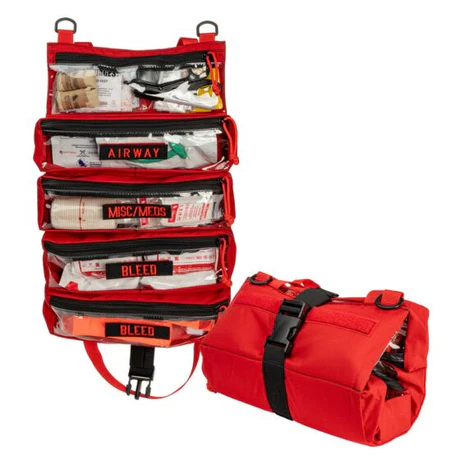
A strong first aid kit is the foundation. It should include trauma supplies (bandages, tourniquets, antiseptics), over‑the‑counter medications, and backups of critical prescriptions. Each item represents a redundancy layer: wound care for immediate stabilization, medications for ongoing conditions, and tools like CPR masks or splints for emergency interventions. Engineers think in terms of fault tolerance: multiple solutions for the same problem reduce the risk of catastrophic failure.
Equally important is training. Just as systems require operators who understand recovery protocols, preppers need basic medical knowledge — CPR, wound care, and shock management. Without trained users, even the best survival medicine kit risks underutilization.
Ultimately, medical and first aid preparedness is about designing a subsystem that can absorb shocks, stabilize critical functions, and buy time until professional care is available. It is the recovery protocol of the survival architecture — the difference between a minor disruption and a catastrophic system failure.
See the details about what should be in your emergency medical and first aid supplies.
🚨 Disaster‑Ready Prepper Summary
The Disaster‑Ready Prepper represents the archetype of preparedness focused on rapid response and short‑term survival during acute emergencies such as earthquakes, hurricanes, floods, or wildfires. From a systems engineering perspective, this category is a contingency architecture — designed for mobility, speed, and redundancy rather than long‑term autonomy. Unlike off‑grid or post‑grid models, the disaster‑ready approach assumes modern infrastructure may return but emphasizes bridging the gap through immediate readiness.
Select the level of prepper you want more information about:
Owen is a systems engineer and the founder of LogicPrepper.com, a technical resource dedicated to infrastructure reliability and off-grid design. With a professional background including writing A-level specifications for the Aegis Weapons System, he specializes in translating complex engineering principles into actionable DIY blueprints for the preparedness community. When he isn’t stress-testing solar arrays or auditing water filtration topologies, he’s usually in his “Logic Lab” building redundant 3D-printed hardware solutions.